Home Backup Generators Abbotsford: Complete 2025 Guide
The Fraser Valley’s unpredictable weather doesn’t send you a calendar invite before knocking out your power. One minute you’re streaming Netflix, the next you’re fumbling for flashlights while your fridge slowly transforms into an expensive cooler.
If you’ve lived in Abbotsford, Chilliwack, Mission, or Langley for more than a year, you’ve experienced this dance. The question isn’t whether another outage will happen – it’s whether you’ll be ready when it does.
Why Abbotsford Homes Need Backup Power
BC Hydro reports that Fraser Valley residents experience power outages more frequently than urban Vancouver areas. Our combination of aging infrastructure, severe weather events, and growing electrical demands creates a perfect storm for power disruptions.
The 2021 atmospheric river events left thousands without power for days. The 2022 windstorms knocked out electricity across the region. These weren’t freak occurrences – they’re the new normal.
Modern homes depend on electricity for everything: heating systems, security systems, medical equipment, home offices, and food preservation. When the grid fails, life stops.
Types of Home Backup Generators
Portable Generators
These gas-powered units sit in your garage until needed. You wheel them outside, add fuel, pull the cord, and run extension cords to essential appliances.
Pros: Lower upfront cost, can be moved Cons: Manual setup during storms, limited power output, carbon monoxide risks, requires fuel storage
Standby Generators
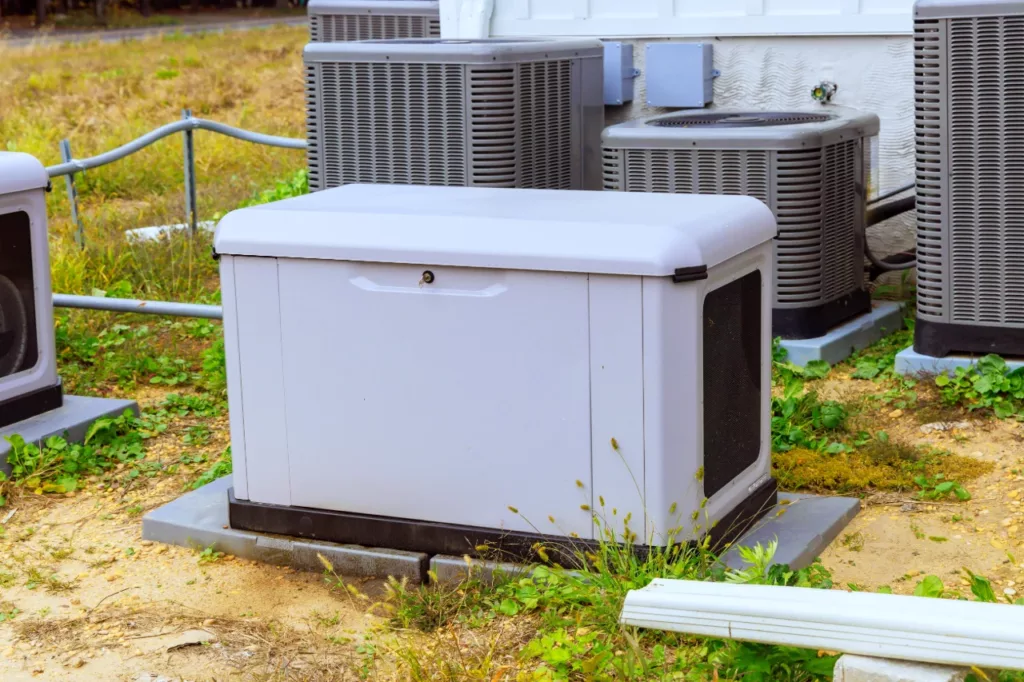
Permanently installed outside your home, these units automatically detect power outages and switch on within seconds. They run on natural gas or propane and can power your entire home or selected circuits.
Pros: Automatic operation, no fuel storage needed, higher power output, weather-protected Cons: Higher installation cost, requires electrical panel modifications
Whole House vs Partial Home Systems
Whole house generators power everything – lights, appliances, heating, cooling. Partial systems power selected circuits like refrigeration, heating, and lights.
Your choice depends on budget and priorities. Most Fraser Valley homeowners find that powering essential circuits covers their needs without the expense of a whole-house system.
Sizing Your Generator Correctly
Generator sizing isn’t about buying the biggest unit available. It’s about matching power output to your actual needs.
Start with your electrical panel. Add up the wattage of circuits you want powered during outages:
- Refrigerator: 600-800 watts
- Furnace blower: 800-1200 watts
- Lights (LED): 100-300 watts
- Well pump: 1000-2000 watts
- Garage door opener: 500-750 watts
A typical Abbotsford home needs between 8,000-20,000 watts for essential circuits. Going bigger than necessary wastes money on purchase price, installation costs, and fuel consumption.
Our residential load calculator helps determine your specific requirements based on your home’s electrical usage.
Generator Installation Requirements in Abbotsford
Installing a standby generator isn’t a weekend DIY project. BC electrical code requires:
- Electrical permit through the City of Abbotsford
- Licensed electrical contractor installation
- Proper grounding and bonding
- Transfer switch to prevent backfeeding
- Gas line installation (if applicable)
- Building setback compliance
The transfer switch prevents your generator from sending power back into BC Hydro lines, protecting utility workers. This isn’t optional – it’s required by law and can be deadly if ignored.
Generator installation typically takes 1-2 days depending on complexity. Electrical connections, gas lines, and concrete pads all factor into timeline.
Natural Gas vs Propane Generators
Natural Gas Generators
Connect directly to your home’s gas line. FortisBC provides natural gas throughout the Fraser Valley, making this option convenient for most properties.
Benefits: Unlimited fuel supply, no tank refills, lower operating costs Drawbacks: Dependent on gas infrastructure, slightly lower power output than propane
Propane Generators
Use propane tanks installed on your property. Tanks range from 100-1000 gallons depending on usage requirements.
Benefits: Independent fuel supply, higher BTU output, works anywhere Drawbacks: Tank refills needed, higher fuel costs, tank installation requirements
Most Abbotsford installations use natural gas due to widespread FortisBC coverage and convenience factors.
Maintenance That Keeps Generators Running
Generators are like gym memberships – buying one doesn’t guarantee it’ll work when needed. Regular maintenance keeps your investment functional.
Monthly Tasks:
- Test run for 15-30 minutes under load
- Check oil levels and condition
- Inspect air filter
- Verify battery charge
Annual Professional Service:
- Oil and filter changes
- Spark plug replacement
- Belt inspection
- Control system testing
- Gas line leak checks
Skipping maintenance turns your generator into expensive yard art. When the power goes out isn’t the time to discover your generator won’t start.
Generator Costs in Abbotsford
Portable Generators: $500-$3,000 Basic units handle essential appliances. Higher-end models include electric start and better fuel efficiency.
Standby Generators: $8,000-$25,000 installed Price varies by size, brand, and installation complexity.
Installation Factors Affecting Cost:
- Distance from electrical panel
- Gas line routing
- Concrete pad requirements
- Electrical panel upgrades
- Permit fees
Financing options make standby generators accessible without major cash outlays. The peace of mind often outweighs the monthly payment.
Top Generator Brands for Fraser Valley
Generac Market leader with extensive dealer network. Known for reliability and comprehensive warranty coverage.
Kohler Premium option with quiet operation and robust construction. Higher price point but excellent build quality.
Briggs & Stratton Value-focused brand offering solid performance at lower costs. Good option for budget-conscious homeowners.
Cummins Commercial-grade reliability for residential applications. Overkill for most homes but excellent for critical applications.
Installation Timeline and Process
Week 1: Site assessment and permit application Week 2-3: Permit approval and equipment ordering Week 4: Concrete pad installation (if needed) Week 5: Generator delivery and installation Week 6: Final inspection and commissioning
Weather can delay outdoor work, so plan installations during drier months when possible.
Getting Started with Your Generator Project
The best time to install a generator is before you need it. Waiting until after an outage means competing with everyone else who had the same idea.
Start with a professional assessment of your home’s electrical needs. Our team evaluates your electrical panel, determines load requirements, and recommends appropriate generator sizing.
We handle permits, installation, and commissioning so your generator is ready when the lights go out. Our service area includes Abbotsford, Chilliwack, Mission, and Langley.
Ready to stop playing flashlight tag during outages? Contact us for a free generator consultation and take control of your home’s power reliability.