Natural Gas vs Propane Generators for BC Homes
Choosing between natural gas and propane for your generator isn’t just about fuel preference—it’s about what actually works where you live. BC’s infrastructure varies dramatically between urban centers and rural areas, making fuel selection a practical decision that affects both reliability and costs.
FortisBC Coverage: Where Natural Gas Works
FortisBC serves approximately 1.2 million customers across BC, but coverage remains concentrated in urban and suburban areas. The Lower Mainland, Fraser Valley, Vancouver Island, and Interior communities like Kamloops and Kelowna enjoy reliable natural gas service.
Rural areas face significant limitations in natural gas availability. Communities beyond FortisBC’s distribution network rely entirely on propane, electricity, or heating oil for energy needs.
Natural gas service requires existing connections to your property. New natural gas connections can cost $2,000-8,000 depending on distance from existing mains. Homes already connected to natural gas for heating face minimal additional costs for generator connections.
Gas meter modifications may be necessary for generator installations. Adding generator load requires meter sizing evaluation and potential upgrades. FortisBC coordination becomes part of the installation process, potentially extending project timelines.
Professional assessment of existing natural gas service determines generator compatibility and identifies required modifications before installation begins.
Propane Tank Requirements and Costs
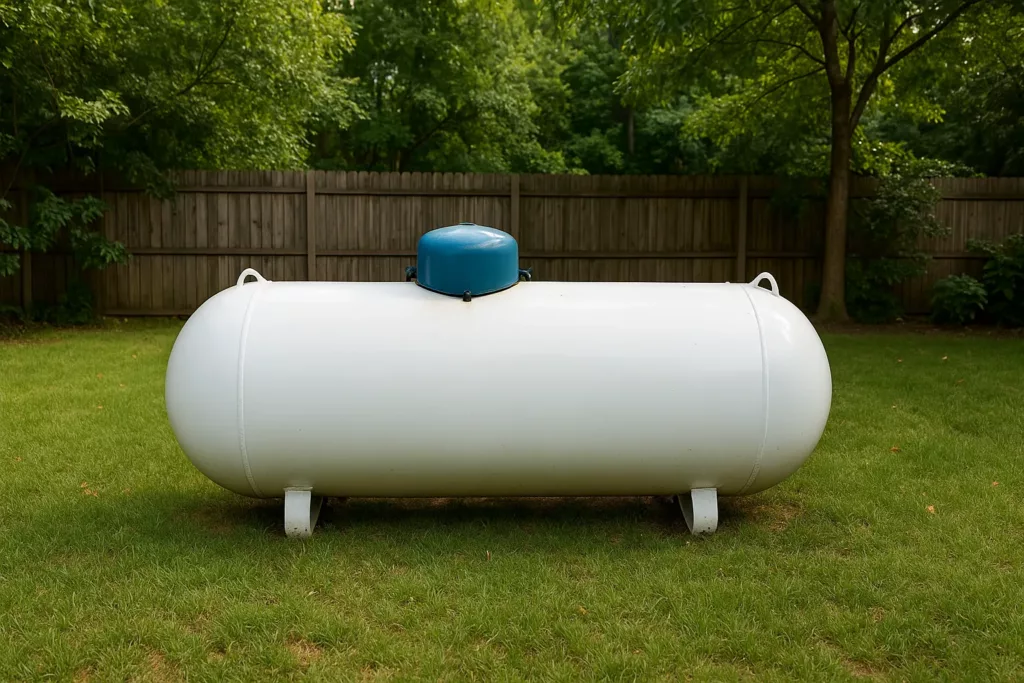
Propane generators require dedicated fuel storage on your property. Tank sizes typically range from 250 gallons for smaller generators to 1,000+ gallons for whole-home systems. Larger tanks provide longer runtime but require more space and higher initial investment.
Tank placement must comply with setback requirements from buildings, property lines, and ignition sources. BC fire codes mandate specific distances—typically 10 feet from buildings for tanks under 500 gallons. Tank ownership affects long-term costs. Purchased tanks require homeowner maintenance and eventual replacement, while leased tanks include supplier maintenance but involve ongoing monthly fees. To ensure compliance, homeowners must also obtain a propane tank operating permit from Technical Safety BC.
Fuel delivery logistics vary by location and supplier availability. Urban areas typically enjoy reliable delivery service and competitive pricing, while remote locations face higher delivery costs and limited supplier options.
Propane quality and storage considerations affect generator performance. Propane doesn’t degrade like gasoline, but tank moisture and contaminants can cause operational problems.
Fuel Reliability During Emergencies
Natural gas service continues during most power outages because distribution systems operate independently of local electrical grids. Gas flow relies on regional compression stations and pipeline pressure, maintaining service even when neighborhoods lose electricity for days.
Natural gas infrastructure faces vulnerability during major disasters. Earthquakes, floods, or pipeline damage can interrupt service to entire regions. The 2018 pipeline explosion near Prince George demonstrated how quickly natural gas service can be disrupted.
Propane stored on-site provides complete fuel independence during emergencies. Tank storage eliminates dependence on utility infrastructure or fuel delivery during disaster conditions. Your generator runs as long as fuel remains in your tank.
Winter weather affects both fuel types differently. Natural gas service typically continues during winter storms, while propane delivery may face delays due to road conditions.
Operating Costs: Gas vs Propane Reality
Natural gas pricing in BC averages $0.30-0.40 per cubic meter, translating to approximately $0.80-1.20 per hour for typical residential generators under moderate load. FortisBC rate schedules provide current pricing for different customer classes.
Propane costs vary significantly by supplier, delivery location, and market conditions. BC propane averages $0.60-1.00 per liter, resulting in operating costs of $2.00-3.50 per hour for comparable generator loads.
Tank rental fees add ongoing costs for propane users. Monthly tank rental typically ranges from $15-40 depending on tank size. Over a generator’s 15-20 year lifespan, tank rental costs can exceed $3,000-8,000.
Long-term fuel price trends affect total ownership costs. Natural gas prices have remained relatively stable in BC, while propane costs fluctuate with oil markets and supply chain factors.
Installation Differences That Matter
Natural gas installations require gas line extensions from existing service to the generator location. Line sizing must accommodate generator fuel demand while maintaining adequate pressure for existing appliances.
Gas line burial depths and protection requirements follow strict codes for safety and durability. Underground installations require proper depth, bedding, and marking to prevent damage.
Propane installations focus on tank placement and fuel line routing. Tank installations require level, stable foundations with proper drainage and accessibility for delivery trucks.
Code compliance varies between jurisdictions for different fuel types. Professional installation teams understand local code requirements for both fuel types.
Installation timelines differ based on utility coordination requirements. Natural gas installations may require FortisBC service calls that extend project schedules, while propane installations depend on tank delivery coordination.

Rural vs Urban Fuel Considerations
Urban Fraser Valley locations typically have natural gas service through FortisBC distribution networks. Abbotsford, Chilliwack, Mission, and Langley generally offer natural gas connections, making natural gas generators practical choices.
Rural properties beyond natural gas service areas depend entirely on propane for generator fuel. Properties in areas like Harrison Hot Springs or rural Fraser Valley may lack natural gas infrastructure despite proximity to urban centers.
Fuel delivery access affects rural propane viability. Properties with difficult truck access face higher delivery costs and potential service limitations during winter months.
Urban propane users benefit from competitive supplier markets and reliable delivery service. Multiple suppliers typically serve urban areas, providing price competition that rural customers may lack.
Infrastructure reliability tends to favor natural gas in urban areas and propane in rural locations. Urban natural gas systems have redundant supply paths, while rural propane provides independence from utility infrastructure vulnerabilities.
Fuel choice for BC generators depends on balancing infrastructure availability, operating costs, and reliability requirements. Natural gas works well in urban areas with existing service, while propane provides flexibility for rural properties.
Ready to determine the best fuel option for your BC generator installation? Contact us for site-specific evaluation and recommendations based on your location and backup power needs.